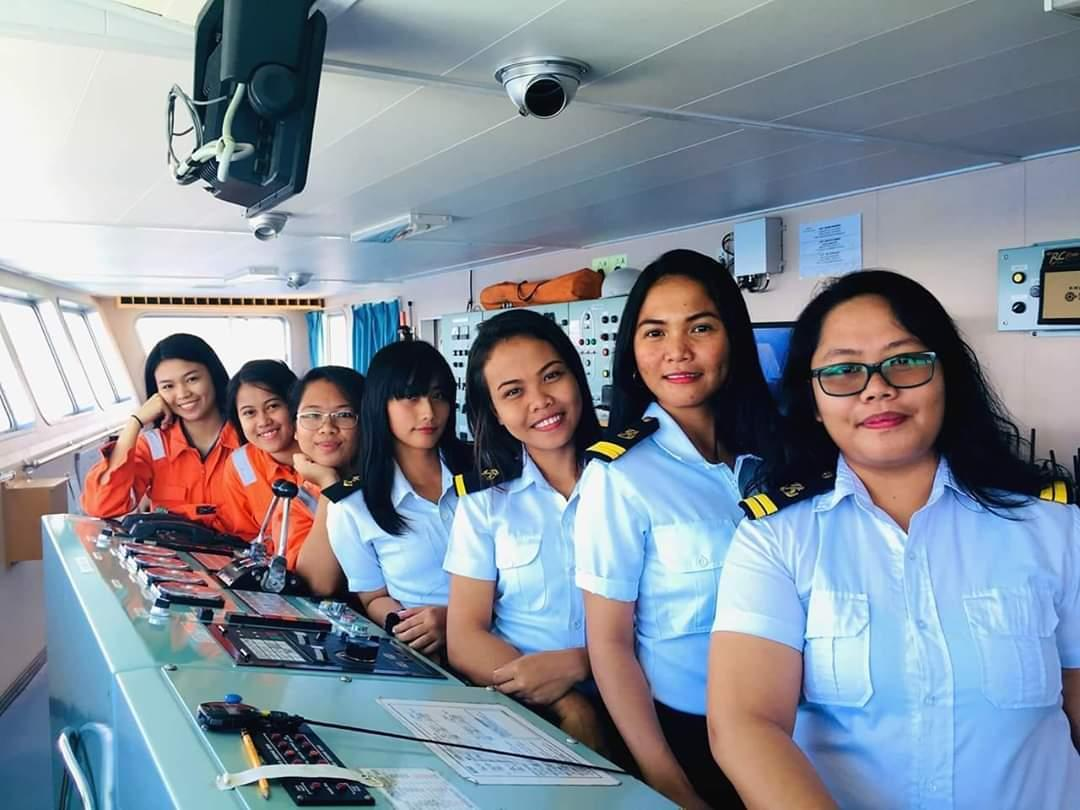
If you’re planning to build a career at sea, understanding maritime terminology is essential. The sea has its language—technical, procedural, and safety-related. For any newcomer, this merchant navy glossary is your first toolkit for survival, communication, and learning.
At SkillStation, we emphasise practical training as much as theoretical understanding. Knowing the correct terms is a critical part of life on board, and this merchant navy glossary will give you a head start in your journey.
Why Learn Merchant Navy Terminology Early?
Every industry has its jargon, and the maritime field is no different. However, miscommunication at sea can lead to serious consequences, from navigation errors to safety risks. This makes the merchant navy glossary more than just vocabulary; it’s an essential skill.
Whether you’re a deck cadet, engine cadet, or rating, you’ll use these terms daily. Understanding them helps:
Pass exams and interviews
Communicate clearly with officers and crew
Follow safety protocols
Build confidence during training
Merchant Navy Glossary: 30 Key Terms You Must Know
Here’s a beginner-friendly merchant navy glossary every aspirant should study:
1. Abaft
Direction toward the stern (rear) of the ship.
2. Abeam
Perpendicular to the ship’s centerline—usually referring to something located off to the side.
3. Ballast
Water is added to ship tanks to maintain stability and balance.
4. Beam
The widest part of the ship is from one side to the other.
5. Berth
A place where a vessel is anchored or docked; also refers to crew accommodations.
6. Bow
The front end of a ship.
7. Bridge
The area from which the ship is navigated and controlled.
8. Bulkhead
A wall or partition inside the ship.
9. Chart
A nautical map is used for navigation.
10. Draft
The vertical distance between the waterline and the bottom of the ship’s hull.
11. Engine Room
The compartment housing the ship’s propulsion and power-generating machinery.
12. Galley
The ship’s kitchen.
13. Helm
The steering wheel or control mechanism for navigating the ship.
14. Knot
A unit of speed equivalent to one nautical mile per hour.
15. Muster Station
Designated place for crew/passengers during emergencies.
16. Port Side
The left side of the ship is when facing forward.
17. Starboard Side
The right side of the ship is when facing forward.
18. Stern
The back end of the ship.
19. Watchkeeping
Duty shifts to maintain continuous operations and safety.
20. Windlass
A mechanical device used to raise or lower the anchor.
Bonus Terms in the Merchant Navy Glossary
To further expand your merchant navy glossary, here are a few more terms relevant to various departments:
- Boiler – Generates steam in the engine room.
- CP Log (Course and Position Log) – Tracks the ship’s route and heading.
- IMO Number – Unique identification number for ships.
- LSA (Life Saving Appliances) – Equipment like lifeboats, life jackets, etc.
- FFA (Fire Fighting Appliances) – Fire extinguishers, hoses, and equipment.
- SOLAS – International Convention for Safety of Life at Sea.
- OOW (Officer of the Watch) – Officer in charge of bridge or engine watch.
- SOP (Standard Operating Procedure) – Predefined procedure for critical operations.
- Main Deck – The principal horizontal structure forming the “floor” of the ship.
- Chief Engineer – Head of the engine department on a ship.
By mastering this merchant navy glossary, you set the foundation for effective training, seamless communication, and career growth.
How to Learn and Remember These Terms?
Here are some tips for memorising the merchant navy glossary quickly and effectively:
Use flashcards for daily revision
Label parts of a ship diagram
Practice with mock drills and safety posters
Read training manuals and watch YouTube videos
Join communities or WhatsApp groups to discuss terminology
Follow maritime forums and updates
Why It Matters During Training and Onboard Life
Knowing the merchant navy glossary gives you a serious edge. It’s not just about sounding professional—it’s about safety and efficiency.
Imagine a scenario where you don’t understand “muster station” or “fire drill.” Your confusion could risk lives. That’s why maritime institutions and ship captains expect all crew to be fluent in these basic terms.
Conclusion
Mastering the merchant navy glossary is one of the smartest things an aspiring seafarer can do. It prepares you mentally, improves your onboard performance, and builds a foundation of respect among your peers and superiors.
At SkillStation, the best merchant navy academy in dehradun, we don’t just teach theory—we use real-life simulations, visual aids, and our skills station model to ensure our cadets not only know the terms but apply them with confidence.
 Chat with us