
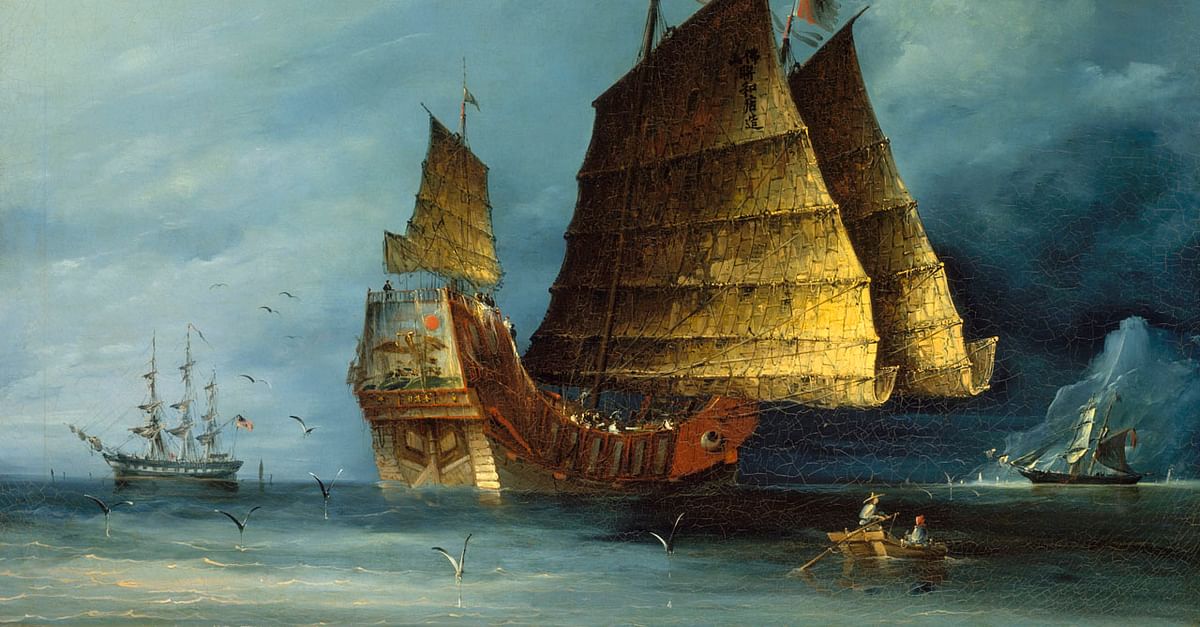
India’s maritime history is as vast and rich as its cultural heritage. For centuries, Indian seafarers have ruled the waves, connecting ports, trading spices, and navigating challenging seas. These voyages were not just journeys—they were epic tales of courage, commerce, and craftsmanship, told through the legacy of historic Indian ships.
In the days of the Indus Valley civilization, India’s relationship with the sea began. This connection deepened over time as maritime trade routes expanded from the Indian Ocean to Southeast Asia, the Middle East, and Europe. These historic Indian ships weren’t just transport vessels—they were symbols of ingenuity, resilience, and global influence at Skillsstation, students are not only trained in present-day navigation but also introduced to India’s proud seafaring past it ensures that cadets see maritime not just as a career but as a continuation of a timeless tradition.
The Maritime Legacy of Ancient India
India’s maritime tradition began with the Harappan civilization, where ports like Lothal served as vital trade hubs. Archaeological findings reveal dockyards, anchor stones, and seals confirming trade with Mesopotamia.
The historic Indian ships of this era were built from teak wood, had pointed bows, and were powered by sails and oars. These vessels enabled merchants to carry textiles, spices, gems, and other commodities as far as Africa and Arabia.
These ancient historic Indian ships laid the foundation for India’s global maritime reputation, long before colonial fleets arrived.
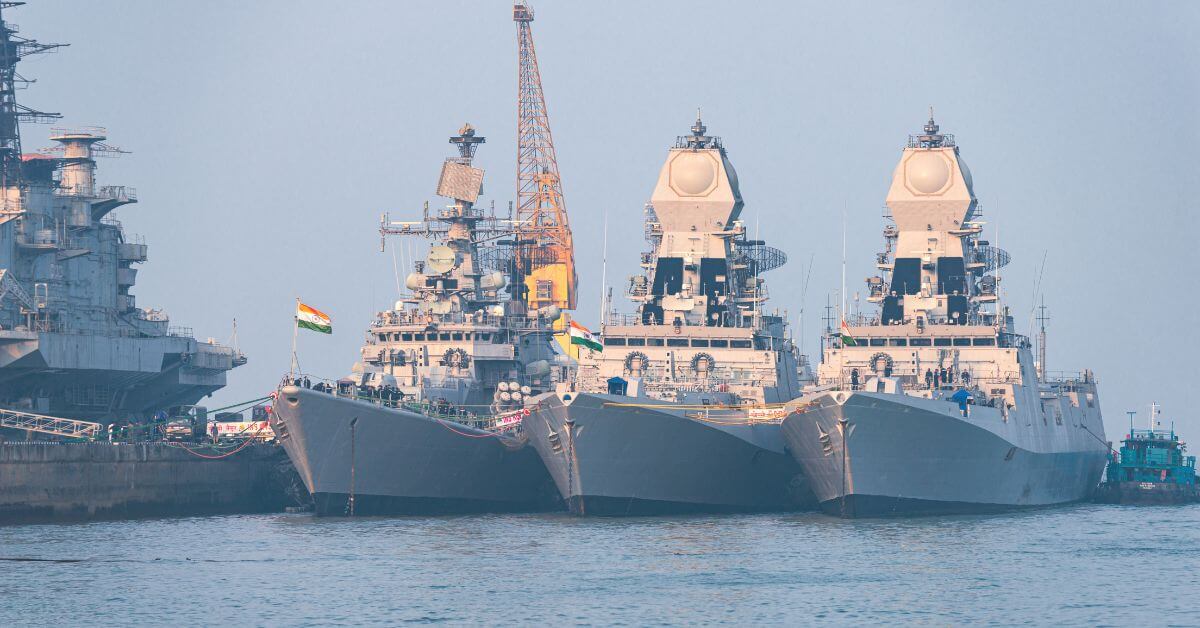
Famous Historic Indian Ships That Made History
1. The Ship of Lothal (circa 2400 BCE)
Possibly the oldest known dockyard in the world, Lothal’s shipbuilding capabilities were far ahead of their time. The historic Indian ships from Lothal could carry bulk goods, showing evidence of large-scale maritime trade.
2. Chola Empire’s Naval Fleet (9th–13th century)
The Cholas were the first Indian dynasty to use historic Indian ships for naval conquest. Their large, multi-masted ships ventured into Southeast Asia, especially Srivijaya (Indonesia), projecting India’s influence across oceans.
3. Vallam (Tamil Nadu and Kerala)
These traditional historic Indian ships are still used in South Indian backwaters. Although smaller in scale, their unique design reflects India’s long-standing relationship with watercraft engineering.
4. Cotia Ships (Gujarat, 17th century)
Used extensively by the Gujarati traders, Cotia ships were key players in the spice trade. These historic Indian ships had a curved hull and efficient sail systems for long voyages.
5. The Akbar (Built 1838)
A wooden paddle steamer launched by the British in Bombay, later used by Indian merchant seafarers. It’s one of the historic Indian ships that bridged the gap between colonial and independent-era maritime development.
6. INS Rajput (1949, post-Independence era)
Though military, it marked India’s capability to operate advanced vessels. Several historic Indian ships from this time laid the groundwork for today’s merchant navy standards.
Merchant Vessels of Modern India with Historic Significance
Even in modern history, India has produced and operated vessels that contribute to the heritage of historic Indian ships:
MV Swaraj Dweep: A passenger-cargo ship connecting mainland India to the Andaman Islands.
MV Nancowry: Known for its reliability in rough sea conditions and part of the Shipping Corporation of India’s fleet.
MV Tipu Sultan: Operated under SCI, it served both civilian and strategic supply missions.
These historic Indian ships are celebrated not just for their service but for connecting India’s diverse geography and peoples.
Shipbuilding Centers That Gave Rise to Historic Indian Ships
Some of India’s most iconic historic Indian ships were born in legendary shipyards such as:
Mazagon Dock (Mumbai) – Oldest shipyard, building ships since the 18th century.
Hindustan Shipyard (Visakhapatnam) – Known for both naval and merchant vessels.
Cochin Shipyard – Builds everything from LNG carriers to passenger vessels.
Cadets trained at Skillsstation are often introduced to case studies of these shipyards and their contributions to historic Indian ships.
Legacy of Historic Indian Ships in Merchant Navy Training
Understanding the design, trade routes, and cultural roles of historic Indian ships provides context to the modern curriculum. Skillsstation believes that maritime education is not complete without this historical foundation. Topics covered include:
Ancient trade routes and maritime diplomacy
Shipbuilding techniques from different Indian regions
Evolution from wooden hulls to steel superstructures
Navigation tools used in historic Indian ships
Role of Indian seafarers in global maritime history
By learning about these elements, students gain both skill and perspective—a powerful combination in the world of navigation.
Conclusion
India’s oceans have been witnesses to some of the most awe-inspiring voyages, brave captains, and game-changing ships. From Lothal’s trade boats to the mighty vessels of the Chola Empire, the story of historic Indian ships is deeply woven into the fabric of maritime excellence. At Skillsstation, the best merchant navy coaching institute Skillsstation , students learn to respect and build upon this legacy. By connecting the past with the future, Skillsstation ensures that every mariner sails not just with knowledge—but with pride.
 Chat with us