

Embarking on a maritime career steeped in technology and innovation begins with understanding the eto course thoroughly. For many aspiring seafarers, mastering complex electrical and electronic systems aboard modern vessels is both thrilling and rewarding. To guide this journey, SkillsStation offers comprehensive training, blending theoretical concepts and practical skills tailored to industry standards.
The eto course serves as a gateway to this dynamic field, teaching navigation systems, power generation, automation controls, and maintenance techniques. As global fleets increasingly adopt advanced technologies, skilled ETOs are in high demand. Knowledge of shipboard electronics, communication interfaces, and diagnostic processes sets ETOs apart in the maritime workforce.
During the initial months of training, participants are introduced to maritime electrical fundamentals, marine safety protocols, and hands-on system diagnostics. Tools such as simulators and lab setups mirror real-world scenarios, giving students confidence to operate on high-tech vessels. With each module, the eto course sharpens technical skills and prepares trainees for international certification and ship deployment.
ETO Course Explained
1. What Is the ETO Course?
The eto course is a specialized maritime training program designed to prepare individuals for the Electro-Technical Officer role onboard commercial and naval vessels. It covers a spectrum of technical disciplines:
Onboard power generation and distribution systems
Navigational electronics and communication equipment
Automation platforms, PLCs, and troubleshooting
Emergency repair and maintenance procedures
Trainees earn STCW-compliant certificates upon completion and are eligible to work as junior ETOs on ships worldwide. The eto course bridges the gap between marine engineering and electronic systems, ensuring versatility and competitive advantage.
2. Who Should Pursue the ETO Course?
Choosing the eto course is ideal for candidates with a technical or engineering background. Typical requirements include:
Diploma/degree in electronics, instrumentation, or electrical engineering
STCW medical and sight standards
Strong analytical and problem-solving skills
This course suits technologically inclined individuals who enjoy hands-on diagnostics and continuous learning. The eto course offers a purposeful and future-ready seafaring career path.
3. Course Outline and Modules
The eto course combines classroom studies and practical training over a 6–12 month period, covering:
Electrical Machinery: Generators, motors, switchboards, and transformers
Electronic Systems: Sensors, instrumentation, PLCs, analog/digital electronics
Automation & Control: SCADA, DCS, and integrated bridge systems
Navigation & Communication: Radar, ECDIS, GMDSS, satellite links
Safety Protocols: Fire safety, electrical protections, and emergency systems
Marine Regulations: STCW mandates and international safety standards
Extensive lab sessions and simulations help students become proficient in troubleshooting live systems—essential for real-world shipboard responsibilities.
4. Duration and Certification Requirements
Typically, the eto course includes:
6 to 12 months of intensive theoretical training
Mandatory sea service of 12 months (subject to STCW regulations)
Certification exams like FG, FGA, and ETO CoC under MET
Students must pass both theoretical and practical tests to earn their Electro-Technical Officer Certificate of Competency and secure ETO postings on modern ships.
5. Career Opportunities for ETO Graduates
Graduates of the eto course have a wide array of career options:
Junior ETO: Entry-level electrical officer onboard ships
Electro-Technical Officer: Full-time electronics systems manager
Chief Electrical Officer (CELO): Head of electrical department on large vessels
Shore-Based Roles: Technical superintendent, instructor, or marine consultant
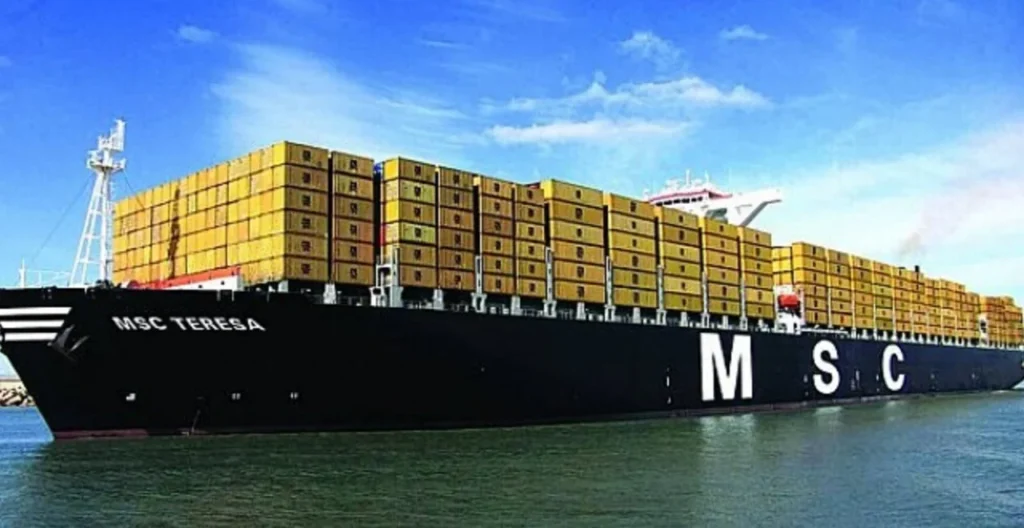
Ship types include container ships, LNG carriers, offshore platforms, cruise liners, and research vessels. The eto course lays the foundation for both seafaring and shore-based roles.
6. Salary and Future Prospects
Salary for ETO graduates varies depending on vessel type and rank:
Entry-level cadets: USD 400–1,200 per month
Licensed ETOs: USD 3,000–7,000 monthly
CELO and technical roles: Even higher with experience
With increasing automation and electrification of fleets, demand for ETO-certified professionals continues to climb, making the eto course a strategic investment in long-term career growth.
7. Comparing ETO with Other Maritime Courses
While courses like GP Rating or DNS focus on navigation or deck duties, the eto course specializes in shipboard electrical systems. It is more technical than general seafaring training and offers better future prospects in a tech-driven maritime industry.
8. Why SkillsStation Is Your Ideal Choice
At SkillsStation, the eto course is offered with high standards:
Modern laboratories equipped with marine electrical setups
State-of-the-art simulators for real-world system diagnostics
STCW-aligned curriculum delivered by experienced instructors
Support with sea-time placement and onboarding processes
Exam prep, documentation help, and mentorship
Our mission is to help candidates complete the eto course and launch a successful career in maritime electrical systems.
9. How to Succeed in the ETO Course
Master Technical Fundamentals – Regularly study electronics, power systems, and control circuits
Practice Hands-On Skills – Gain experience in wiring, testing, and fault tracing
Stay Updated Technologically – Learn about emerging innovations like hybrid marine systems
Develop Soft Skills – Effective communication and teamwork are pivotal on board
Benefit from Mentorship – Use SkillsStation mentors and alumni for guidance
10. Real-Life Applications and Responsibilities
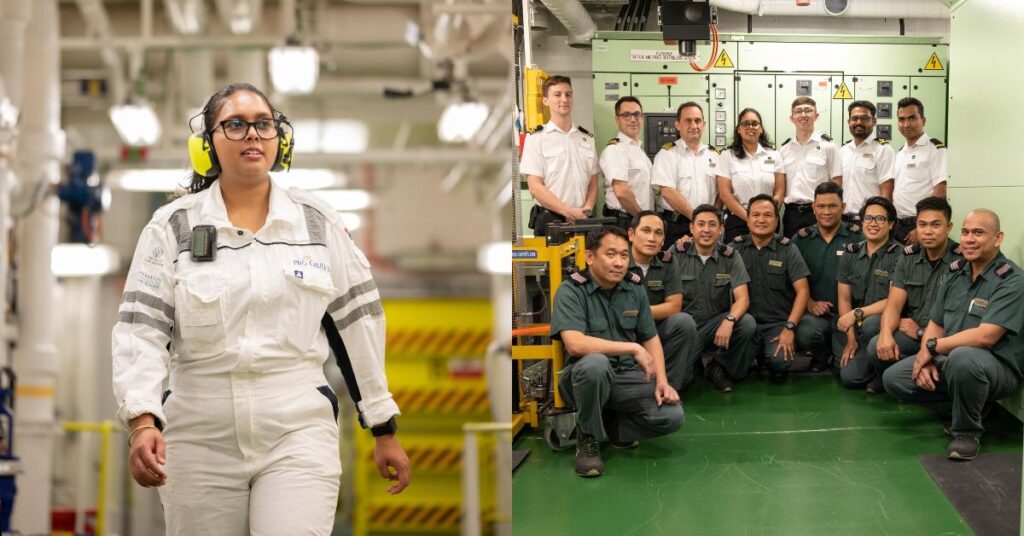
Completed eto course participants manage key on-board functions:
Maintaining and repairing electrical generators, lighting, and motors
Diagnosing and correcting faults in navigation and automation systems
Ensuring safety procedures and regulatory compliance
Conducting regular maintenance using schematics and manuals
Providing technical support during emergencies
They play a central role in vessel safety, efficiency, and uptime.
11. Transitioning from Cadet to Chief Officer
Post eto course, the typical progression is:
Cadet / Trainee ETO – Assisted training under senior ETOs
Electro-Technical Officer – Independent electronics management
Chief Electrical Officer – Leadership role on large vessels
Technical Superintendent – Specialist or trainer onshore
Experience, further courses, and strong performance can fast-track such advancements.
12. Global Mobility and Job Security
ETO graduates enjoy global opportunities due to universal STCW compliance. Whether aiming for coastal or international shipping, jobs are available worldwide—a major advantage of the eto course. Shore-based roles also provide stable options for transitioning from sea-life.
Conclusion
The eto course offers a promising, tech-oriented maritime career for candidates passionate about shipboard electrical systems. With emerging trends in automation and electrification, ETO roles are increasingly vital. Those completing the eto course with competency and certification earn strong job prospects, excellent pay, and global mobility.
If you’re searching for the best Merchant Navy Academy in Dehradun, choose SkillsStation. We provide all the tools, training, and support to excel in your ETO journey. Start strong, sail safe, and shine bright in your maritime career with SkillsStation.
 Chat with us