
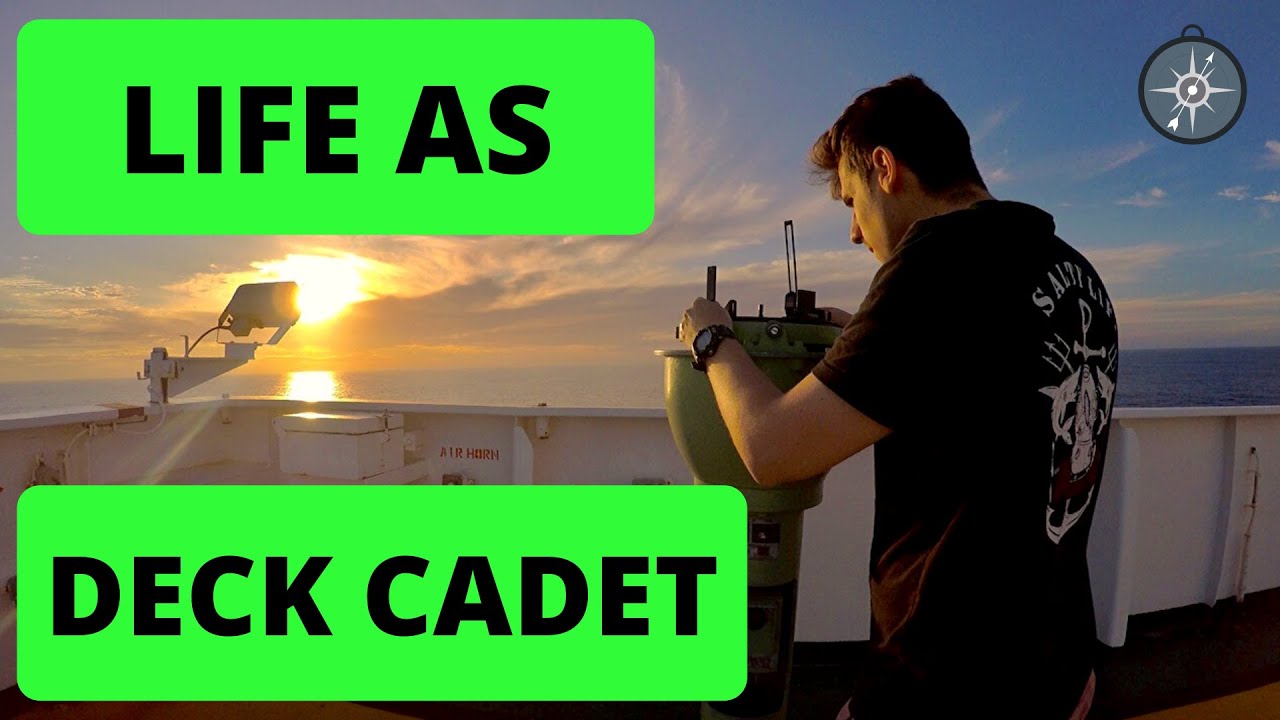
Embarking on a journey at sea as a deck cadet is a dream come true for many aspiring mariners. It’s a critical phase in a seafarer’s training, offering a unique blend of responsibility, learning, and adaptation to a life far from land. But what does the deck cadet daily life really look like?
At SkillsStation, we prepare cadets with realistic expectations and skill-based training to ensure they are ship-ready from day one. Understanding the routines, challenges, anid learning 0opportunities of life at sea is essential for any future deck officer. This article gives a comprehensive view of the deck cadet daily life onboard a merchant vessel.
What Is a Deck Cadet?
A deck cadet is a trainee officer undergoing sea time—a mandatory phase before they can qualify for the Certificate of Competency (CoC). Their duties are designed to provide hands-on exposure to every aspect of a ship’s operations, especially on the deck side, under the supervision of senior officers.
The deck cadet daily life revolves around balancing practical work, learning tasks, and adapting to shipboard discipline.
The Deck Cadet’s Daily Routine: A Typical Day at Sea
06:30 AM – Wake Up and Prepare
Cadets usually rise early. Hygiene, breakfast, and dressing in proper PPE (Personal Protective Equipment) mark the start of their day.
07:30 AM – Morning Muster and Work Allocation
The crew assembles on deck for a safety briefing or “toolbox talk,” led by the Bosun or Officer on Watch. The deck cadet is assigned duties based on the daily schedule—often assisting in maintenance, navigation, or cargo operations.
08:00 AM – Maintenance Work
Tasks include:
Chipping and painting rusty surfaces
Cleaning and greasing deck equipment
Assisting in lifeboat inspections or fire drills
Preparing for port operations (if scheduled)
This segment of the deck cadet daily life emphasises safety familiarity.
12:00 PM – Lunch Break
Meals are usually scheduled with the crew, and food depends on the nationality and culture of the shipping company. Cadets also learn table etiquette and teamwork during meal times.
01:00 PM – Log Book Entries and Bridge Time
After lunch, cadets often spend time on the bridge, observing navigation practices:
Monitoring radar and AIS
Understanding charts and plotting courses
Logging weather updates and ship position
Shadowing the Officer of the Watch
Bridge watchkeeping is a core part of the deck cadet daily life, offering invaluable real-time learning.
Life Beyond Work: Recreation and Social Life Onboard
While the deck cadet daily life is demanding and structured, life onboard isn’t all work and no play. Cadets are encouraged to find balance by engaging in recreational activities during off-hours:
Gym workouts: Most modern ships are equipped with a basic gym.
Movie time: Shared lounges often stream movies or sports.
Cultural exchange: Working with an international crew allows cadets to learn new languages, foods, and traditions.
Reading and journaling: Many cadets keep a sea diary or read marine literature to relax.
Recreational time is crucial for mental well-being, helping cadets manage stress and loneliness while at sea.
Training Record Book: Your Sea-Time Bible
Every deck cadet is issued a Training Record Book (TRB), which must be completed meticulously during sea time. The TRB is a crucial part of deck cadet daily life, containing:
Tasks and checklists for bridge operations, cargo handling, and safety procedures.
Evaluations and remarks from senior officers.
Evidence of participation in drills and navigational tasks.
Filling out this log accurately and diligently is vital, as it is reviewed before granting the Certificate of Competency (CoC).
Emergency Drills and Safety Training
A deck cadet daily life includes participation in emergency drills. These are not optional—they are mandatory under SOLAS (Safety of Life at Sea) regulations. Weekly drills include:
Fire drills: Learning to handle hoses, extinguishers, and breathing apparatus.
Abandon ship drills: Operating lifeboats, life rafts, and immersion suits.
Man overboard exercises: Practising spotting and recovering crew from the sea.
Being familiar with the ship’s layout, emergency stations, and procedures is part of every cadet’s core responsibilities.
Communication with Family: Staying Connected
Being away from family for 6–9 months can be emotionally challenging. However, modern ships now offer limited internet access, allowing cadets to:
Send emails or WhatsApp messages (when permitted).
Make satellite calls occasionally.
Share updates through secured communication apps.
That said, connectivity is never guaranteed at sea. Deck cadet daily life requires emotional maturity and independence, especially when connection to the outside world is sparse.
Career Progression After Cadetship
After completing their cadetship and TRB, cadets must:
Appear for the Certificate of Competency (CoC) examination conducted by the Directorate General of Shipping.
Clear the oral and Written assessments.
Accumulate the required sea-time and competencies.
Once certified, a deck cadet becomes a Third Officer—the first licensed rank onboard. From there, they can move up to:
Second Officer
Chief Officer
Captain (Master Mariner)
The deck cadet daily life lays the groundwork for this entire career trajectory.
Health, Hygiene, and Diet Onboard
A healthy lifestyle is essential to withstand the physical nature of the job. In the daily routine, cadets are expected to:
Maintain high standards of personal hygiene.
Keep their cabin clean and well-organized.
Follow a balanced diet to stay physically and mentally fit.
Food menus vary by nationality, but ships generally serve a combination of meat, rice, vegetables, and fruits. Cleanliness is not optional—it’s a rule onboard.
Global Exposure and Responsibility
Unlike many professions, a cadet’s “classroom” includes:
The Suez Canal,
Panama crossings,
Dockings in ports across Europe, Asia, and the Americas.
This global exposure shapes cadets into worldly, adaptable professionals. Observing international shipping laws, interacting with customs authorities, and understanding international time zones are subtle but powerful parts of a deck cadet daily life.
03:30 PM – Mooring Preparation / Maintenance Continues
If the ship is nearing port, cadets assist in:
Preparing mooring ropes
Understanding berth operations
Setting up gangways and safety nets
If at sea, more maintenance tasks may follow.

05:00 PM – Evening Muster and Debrief
Cadets join the deck crew for a review of the day’s work and updates from officers. This is also a time to discuss safety or equipment concerns.
06:00 PM – Dinner
After a long day of physical work, the evening meal is a time for camaraderie. It also allows cadets to bond with crew members from diverse cultures.
07:00 PM – Study or Rest
Cadets are expected to study ship operations, safety manuals, or STCW rules. Journaling daily activities in a training record book is essential. Deck cadet daily life includes this mandatory documentation to earn officer-level qualification later.
09:00 PM – Lights Out (or Night Watch)
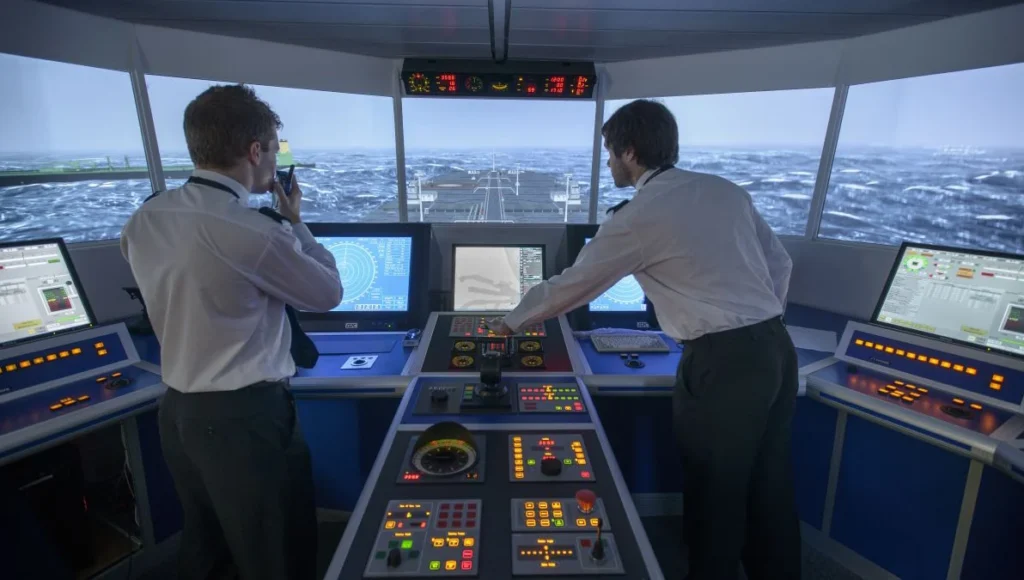
Cadets on night duty assist the Officer of the Watch on the bridge, learning about night navigation, lookout duties, and ship traffic management.
Challenges in Deck Cadet Daily Life
While adventurous, the deck cadet daily life comes with its share of hardships:
Isolation: Being away from family for months
Weather extremes: Rough seas, intense heat or cold
Tight schedules: Long working hours and night shifts
Cultural adjustment: Adapting to international crew environments
Discipline: Strict routines and hierarchy adherence
This environment builds character, resilience, and professional maturity.
What Cadets Learn Onboard
The primary aim of this phase is to make cadets confident in:
Emergency response procedures
Deck machinery and mooring operations
Navigation and ship handling
Bridge and watchkeeping duties
Maintenance standards and SOLAS/STCW compliance
The deck cadet daily life is a live training ground for real-world maritime operations.
Tips for Aspiring Deck Cadets
Be punctual and disciplined
Ask questions and take notes
Prioritize safety—always wear your PPE
Respect the chain of command
Keep your training record updated daily
Stay physically fit and mentally alert
Maintain a positive attitude, even during tough days
At SkillsStation, we simulate many of these challenges so cadets aren’t surprised when they first step onboard.
Conclusion
The deck cadet daily life is a blend of discipline, learning, and hard work. It’s a crucial chapter in every deck officer’s journey, filled with unforgettable experiences and valuable skills. Life at sea tests your patience, builds your strength, and prepares you for a respected maritime career.
At SkillsStation, we equip aspiring cadets with industry-ready knowledge, training simulations, and mental preparation for the challenges of life onboard. Because a well-prepared \lcadet is a future officer in the making.
 Chat with us