

If you’re planning to join the Merchant Navy, you’re probably curious about the top-ranking positions onboard, especially the chief engineer vs captain salary debate. Both positions are prestigious, but they come with distinct responsibilities, career paths, and income levels. Choosing the right role depends on your interest in technical operations or leadership, and navigation. With expert training and career guidance from Skill Station, you can confidently work toward either path. Investing in quality maritime education ensures you’re well-prepared for a rewarding future at sea.
Overview of Shipboard Hierarchy
In the Merchant Navy, there are two primary departments: deck and engine. At the top of each department are the Captain (Master) and the Chief Engineer, respectively. The Captain is the commanding authority of the entire ship, while the Chief Engineer leads all technical and mechanical operations. Both play critical roles in ensuring the vessel’s safety and efficiency.
Understanding this hierarchy is crucial when considering the chief engineer vs captain salary, as it helps to contextualise the pay scale, scope of work, and leadership involved.
Role of a Chief Engineer
The Chief Engineer is the highest-ranking technical officer on a ship. This role comes with immense responsibility and requires a deep understanding of ship machinery and engineering systems. Duties include:
Overseeing engine room operations and all machinery
Managing daily maintenance, repairs, and the engineering crew
Ensuring compliance with international safety standards
Keeping accurate logs and documentation of engine performance
In essence, the Chief Engineer ensures the ship runs smoothly from a mechanical perspective. When evaluating chief engineer vs captain salary, it’s important to consider the level of hands-on technical expertise required.
Role of a Captain
The Captain, or Master, is the overall commander of the vessel. They have the ultimate authority and responsibility for the safety of the ship, its cargo, and the crew. Key responsibilities include:
Navigating and manoeuvring the ship
Supervising all onboard operations
Handling communications with port authorities and other vessels
Ensuring legal compliance and documentation
The Captain is essentially the face of the ship. Their leadership directly influences the morale and discipline of the entire crew. These responsibilities contribute to their place in the chief engineer vs captain salary comparison.
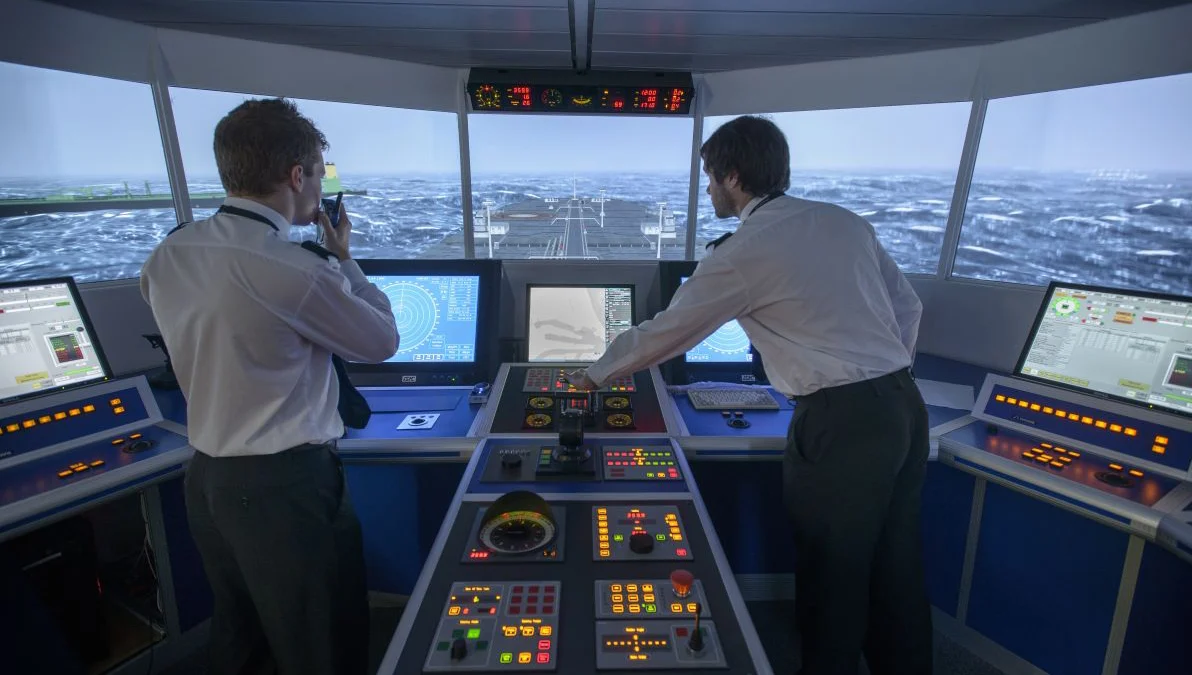
Chief Engineer vs Captain Salary Comparison
Now, let’s get into the numbers. The chief engineer vs captain salary debate often reveals slight variations based on multiple factors.
Entry-Level Salaries:
Third Engineer / Second Officer: ₹1.5 – ₹2.5 lakhs/month
Second Engineer / Chief Officer: ₹3.5 – ₹4.5 lakhs/month
Top Rank Salaries:
Chief Engineer: ₹5 – ₹6.5 lakhs/month
Captain: ₹5.5 – ₹7 lakhs/month
Influencing Factors:
Type of vessel (e.g., LNG, container, crude oil)
Experience and years at sea
Employer nationality (foreign companies often pay higher)
Certifications and special endorsements
In many cases, the chief engineer vs captain salary can be nearly identical. Some engineers with high-value certifications even earn more than captains.
Training and Qualifications Required
Both paths require rigorous academic and practical training. Let’s break down what you need for each.
Chief Engineer Path:
Education: B.Tech in Marine Engineering or Diploma in Marine Engineering
Entrance Exam: IMU-CET
Courses: STCW, Engine Room Simulator, ME Engine Training
Sea-time: 6–12 months as an engine cadet
Captain Path:
Education: B.Sc. Nautical Science or Diploma in Nautical Science (DNS)
Entrance Exam: IMU-CET
Courses: STCW, Radar Navigation, GMDSS, Bridge Team Management
Sea time: 12 months as a deck cadet
SkillsStation, widely regarded as the best merchant navy institute, provides full guidance for both career paths—from entrance exam preparation to final placements.
Lifestyle and Career Outlook
Life of a Chief Engineer:
Often working in high-temperature, high-pressure environments
Physical and technical challenges
Less public-facing, more task-focused
Post-sea career: Technical Superintendent, Fleet Manager, Marine Surveyor
Life of a Captain:
More responsibility in legal and managerial domains
Frequent interactions with external authorities
Broader decision-making authority
Post-sea career: Port Captain, Marine Consultant, Company Director
The chief engineer vs captain salary can only be fairly judged when lifestyle preferences and long-term goals are also considered.
Industry Demand & Job Security
There is consistent global demand for both Captains and Chief Engineers, especially with increasing maritime trade and advanced vessels requiring top-tier professionals.
With increasing digitisation and automation on ships, both roles are evolving. Captains now use advanced navigation systems, while Chief Engineers operate digital engine monitoring systems. This transformation adds value and potential to the chief engineer vs captain salary prospects.
The International Maritime Organisation (IMO) and Indian DG Shipping continue to stress the importance of safety, training, and certification, further increasing the relevance of formal training institutes like Skill Station.
Why Choose Skill Station?
Located in Dehradun, Skill Station is more than just an institute—it’s a career launchpad. Recognised by many students as the best merchant navy institute, it offers:
Expert-led IMU-CET preparation
Sponsorship exam training
Mentorship from ex-maritime professionals
Regular seminars with industry experts
Direct linkage with DG Shipping-approved colleges
Whether your goal is to become a Captain or Chief Engineer, Skill Station ensures you are well-prepared and industry-ready.
Conclusion
Choosing between Captain and Chief Engineer is a personal decision influenced by interests, strengths, and lifestyle preferences. While the chief engineer vs captain salary may be closely matched, the day-to-day duties and long-term career trajectories are very different.
For those looking to embark on this exciting journey, Skill Station—the best merchant navy institute—is the ideal partner. It offers the right mix of academic support, practical training, and career guidance.
If you’re planning your future in the Merchant Navy, start strong, stay focused, and set your course with Skill Station.
 Chat with us