
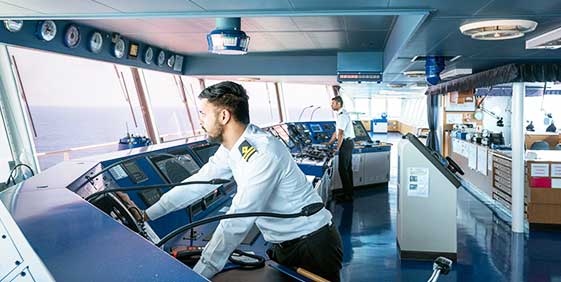
For many young women aspiring to join the merchant navy, the DNS (Diploma in Nautical Science) course acts as the gateway. It not only builds foundational maritime skills but also sets a course for a long and successful sailing career.
In the third step of a successful maritime journey, candidates often ask: What happens after finishing DNS course? The answer defines how their careers shape up at sea.
Skill Station, the Best merchant navy institute, offers clarity and expert mentorship on post-DNS pathways and opportunities.
Overview of the DNS Course
Before diving into what happens after finishing DNS course, it’s essential to understand what it offers. The DNS course is a 1-year pre-sea training program approved by the Directorate General of Shipping (DGS). It blends classroom training with basic seafaring experience, focusing on navigation, maritime laws, ship operations, and seamanship.
Students who complete this program become eligible for shipboard training as deck cadets, which is the beginning of hands-on learning in real-world conditions.
Immediate Steps After Completion
So, what are the immediate actions after finishing DNS course? The answer lies in starting the required on-board training. Candidates receive a CDC (Continuous Discharge Certificate), STCW course certifications, and their basic documentation.
Shipping companies that offer DNS sponsorship typically allocate cadets to vessels. Within a few weeks to months, these cadets are placed onboard ships as trainee navigators or deck cadets.
This sea phase is crucial for logging experience and skills required to progress toward officer-level certifications.
Sea Time Training Phase
The real test begins after finishing DNS course when cadets join a merchant ship. This phase involves
Completing at least 18 months of sea time under supervision
Learning shipboard operations like navigation watchkeeping, cargo handling, emergency drills
Maintaining a Training Record Book (TRB), verified by ship officers
Developing soft skills such as teamwork, discipline, and leadership
The aim is to bridge academic knowledge with practical execution. This sea phase plays a vital role in qualifying cadets for the next certification.
Second Mate COC Exam and Eligibility
After logging the necessary sea time, the next step after finishing DNS course is attempting the Second Mate Certificate of Competency (COC) issued by the Maritime and Coastguard Agency (MCA) or DGS India.
To appear for this exam:
Candidates must complete 18 months of onboard training
Hold all required documentation, TRB, and sea service letters
Undergo preparatory coaching at an approved institute
The COC exam tests navigation, ship stability, maritime law, and safety protocols. Clearing this exam upgrades the candidate to the rank of Third Officer, officially entering officer-level positions onboard.
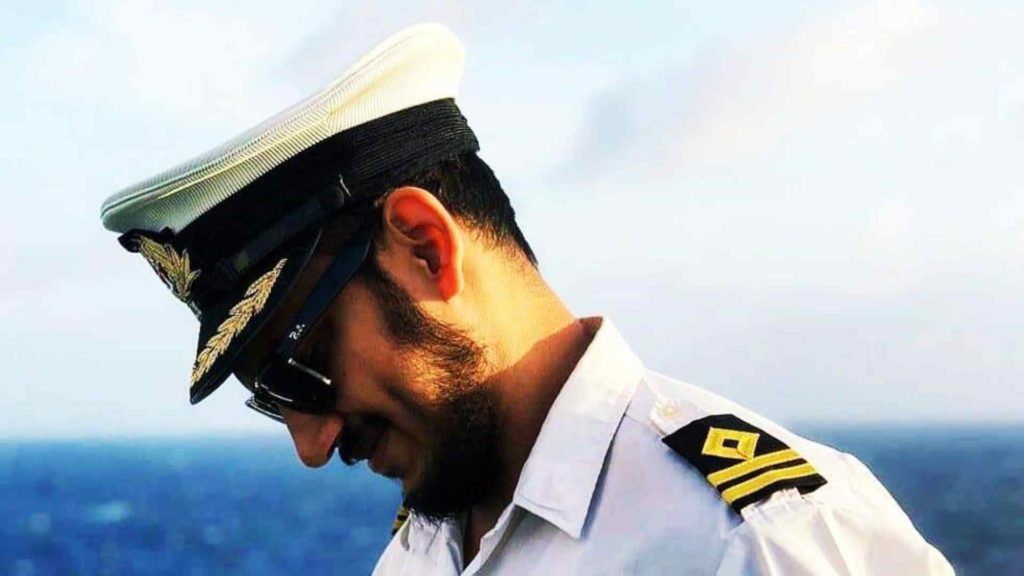
Career Progression in Merchant Navy
The pathway after finishing DNS course doesn’t end with becoming a third officer. It marks the beginning of steady career growth.
Third Officer: Manages safety equipment and cargo documentation, and assists the Second Officer
Second Officer: Handles navigation planning, chart work, and bridge watchkeeping
Chief Officer: In charge of cargo operations and deck crew management
Captain/Master: Final authority on the vessel, responsible for the entire ship and crew
Promotions depend on sea time, additional exams, and performance. This clear ladder motivates cadets after finishing DNS course to stay focused and determined.
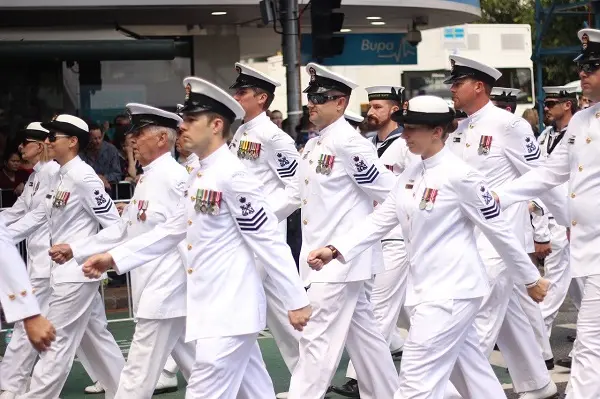
Life Onboard After DNS Course
Life after finishing DNS course can be both exciting and challenging. While the ship becomes your workplace, it also becomes your home for months. Adjusting to life at sea involves
Sharing cabins with other crew members
Following a strict routine and shift-based work
Adapting to different nationalities and cultures
Handling emotional resilience being away from family
Women in the merchant navy, in particular, need to navigate these dynamics while maintaining professionalism and confidence. However, support from the crew, inclusive policies, and onboard camaraderie help make the transition smoother.
Shipboard life offers global exposure and great responsibility early in your career. It also allows cadets to put into practice the theories learned during DNS training.
Skill Station’s Role in Career Support
Skill Station, the Best merchant navy institute, plays a pivotal role even after finishing DNS course. Their guidance includes:
Assisting with sea phase documentation
Offering preparatory support for the Second Mate COC
Providing career counseling and soft skills training
Building industry connections for placements and growth
By staying connected with Skill Station, candidates receive ongoing mentorship through every stage of their career.
FAQs on DNS Course Completion
How long after finishing DNS course can I join a ship?
Typically, within 2 to 6 months, depending on the shipping company and placement availability.
Can I do DNS without sponsorship?
Yes, but sponsorship guarantees job placement and financial support during training.
What salary can I expect after finishing DNS course?
As a deck cadet, starting salaries range from INR 25,000 to INR 40,000 per month, depending on the company and vessel type.
Is DNS better than BSc Nautical Science?
DNS is shorter and leads to quicker placement on ships, while BSc offers a more academic approach. Both paths lead to officer-level roles.
What if I fail the Second Mate COC?
You can reattempt the exam after preparation. Institutes like Skill Station provide refresher courses to help you succeed.
Conclusion
For women pursuing a seafaring career, knowing what to expect after finishing DNS course helps set realistic goals. From joining as a deck cadet to advancing as a ship’s officer, each step is crucial and demands commitment.
The best merchant navy institute ensures that you are not only trained for today but are guided for tomorrow. Skill Station empowers women through structured education, career planning, and maritime excellence.
If you’re wondering what lies after finishing DNS course, the answer is clear: your journey has just begun—towards leadership, professionalism, and global opportunities in the merchant navy.
 Chat with us