
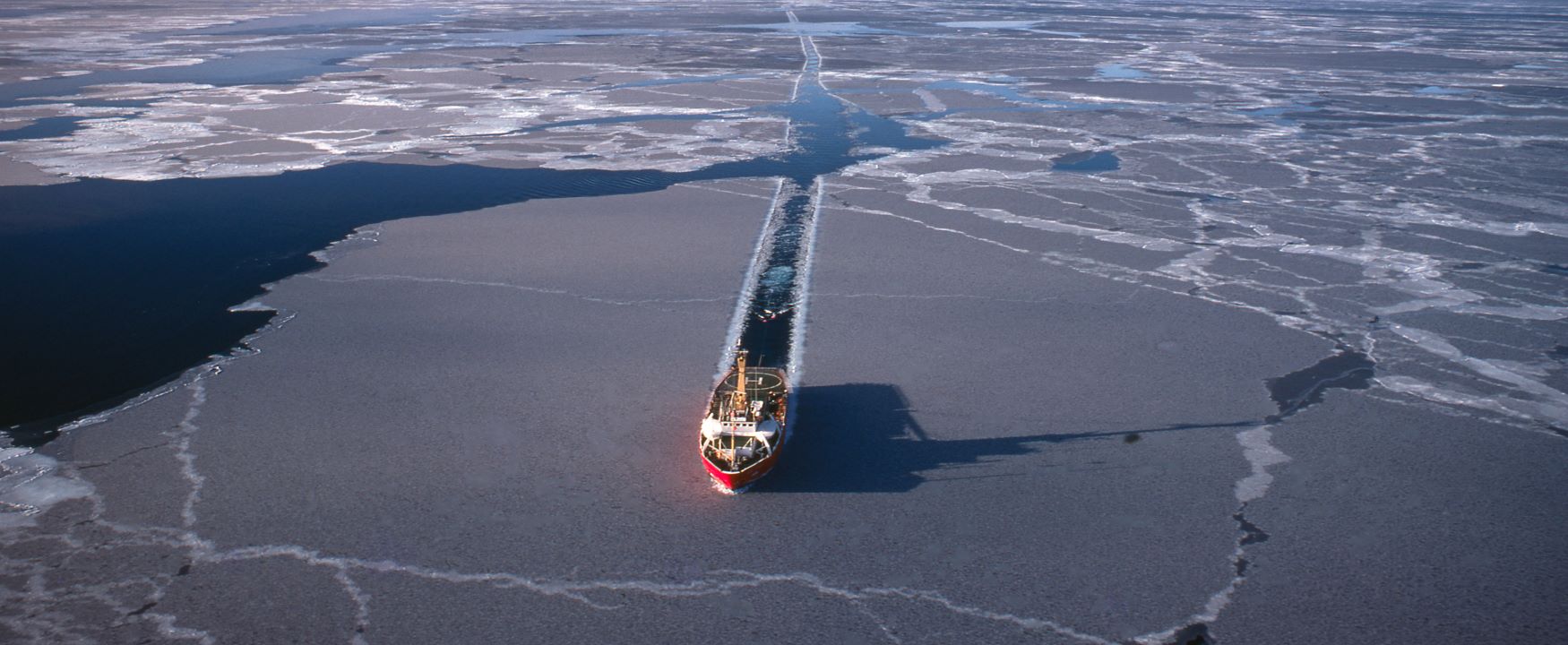
Polar navigation certification has emerged as a critical qualification in the modern maritime industry, particularly as Arctic shipping routes gain strategic and economic relevance. The shrinking ice cover in the Arctic has opened up new trade routes, but these passages pose extreme challenges that demand rigorous training, technical proficiency, and regulatory compliance.
Navigating in polar waters requires a seafarer to be more than just skilled—it demands specialised knowledge in extreme cold weather operations, ice navigation, and emergency preparedness. The polar navigation certification is mandatory under the International Maritime Organisation’s (IMO) Polar Code, which regulates shipping activities in the Arctic and Antarctic regions. At Skillsstation, aspirants are introduced to the complexities of polar operations through a structured training curriculum.
Why Polar Navigation Certification is Crucial
With climate change reshaping the navigability of Arctic sea routes such as the Northern Sea Route and the Northwest Passage, there is a growing need for mariners who are certified to operate in polar waters. The IMO’s Polar Code mandates that all officers and crew serving on ships operating in polar waters must undergo polar navigation certification.
This training not only ensures safety but also equips mariners with knowledge on:
Ice recognition and manoeuvring
Sub-zero temperature operations
Cold-weather gear usage
Shipboard safety equipment suitable for polar regions
Communication systems in remote environments
Without a polar navigation certification, a seafarer cannot legally or safely operate in these zones.
Content and Scope of Polar Navigation Certification
The polar navigation certification course typically includes:
1. Basic Training
For officers and crew operating in polar conditions. It covers:
Ice detection and navigation
Polar Code compliance overview
Cold weather survival
Environmental protection measures
2. Advanced Training
Required for navigational officers and those in charge of vessels in polar areas. It includes:
Voyage planning in ice-infested waters
Use of radar and satellite navigation in the Arctic/Antarctic regions
Icebreaker escort procedures
Risk assessment and mitigation plans
Both levels are designed to ensure the candidate is fully prepared for challenges unique to polar navigation.
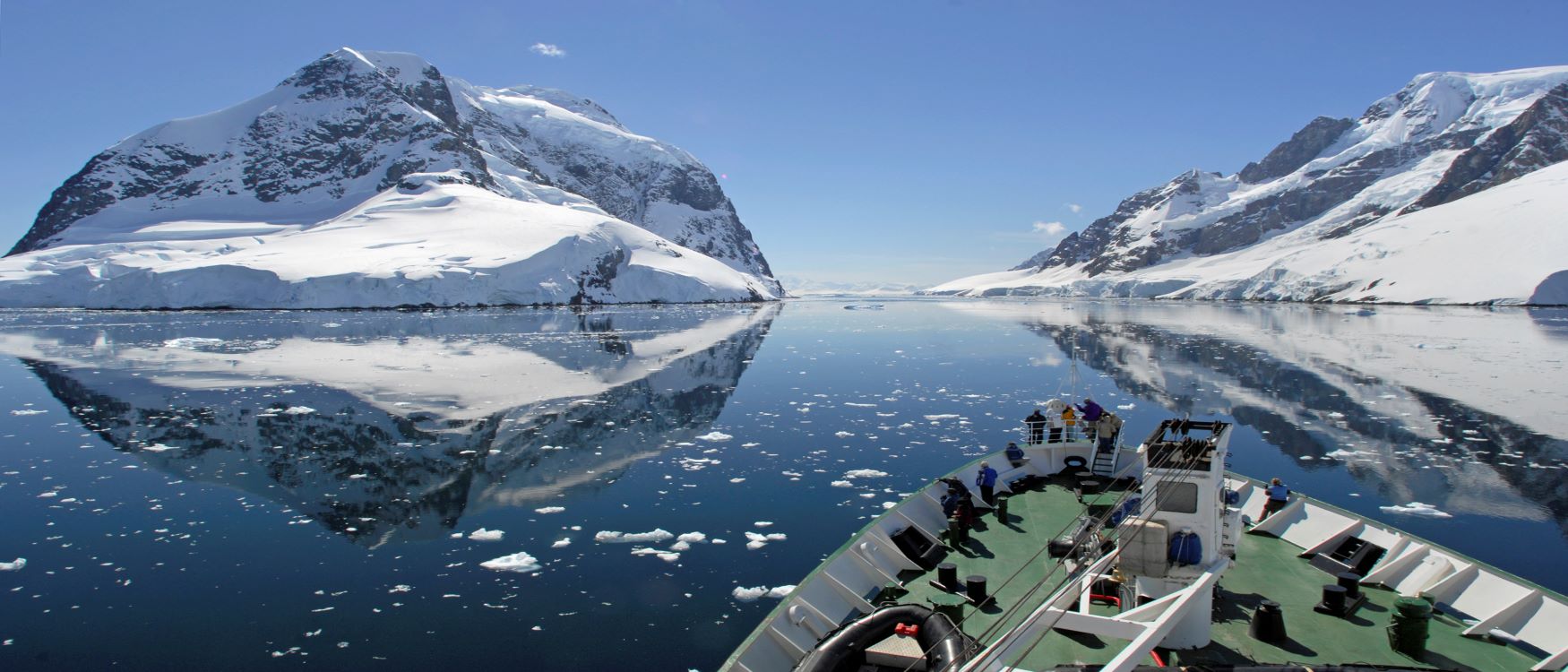
Who Needs Polar Navigation Certification?
Deck officers operating in polar waters
Marine engineers managing cold-resistant machinery
Shipmasters responsible for polar voyage planning
Ratings assigned duties in Arctic environments
Anyone onboard a polar-operating vessel should pursue polar navigation certification to comply with international regulations and enhance personal safety.
Arctic Shipping: Opportunities and Challenges
The polar navigation certification is becoming increasingly relevant due to rising interest in Arctic routes, which offer shorter transit times between Asia and Europe. However, the region is fraught with:
Unpredictable weather
Icebergs and sea ice
Remote location with limited rescue infrastructure
Navigation challenges due to poor satellite coverage
Trained professionals with polar navigation certification are capable of navigating these hurdles, ensuring cargo delivery while safeguarding lives and the environment.
Role of IMO and STCW in Polar Training
The polar navigation certification falls under the IMO’s Polar Code and is governed by the Standards of Training, Certification, and Watchkeeping (STCW). These frameworks mandate safety measures and competency requirements for polar operations.
Officers must complete approved training programs and demonstrate their knowledge practically and theoretically. As the maritime sector evolves, this certification will only grow in significance.
How Skillsstation Prepares You for Polar Certification
At Skillsstation, maritime cadets and officers undergo structured modules on polar route navigation. The curriculum includes:
Theory classes on Polar Code protocols
Simulation-based ice navigation practice
Survival drills using polar-grade equipment
Polar risk management planning
Moreover, mock tests and assessments mirror actual polar navigation certification exams, ensuring candidates are exam-ready and field-prepared.
With highly experienced faculty and advanced training tools, Skillsstation leads the way in developing competent professionals for the polar shipping industry.
Career Benefits of Polar Navigation Certification
Holding a polar navigation certification not only increases employability but also gives officers the chance to:
Work with elite shipping companies
Command higher salaries
Take up leadership roles in high-risk routes
Enhance safety standards onboard
Gain global recognition in the maritime industry
This certification reflects a seafarer’s readiness to operate in the most challenging maritime conditions, making them an invaluable asset to any shipowner.
Shipping Companies Requiring Polar Navigation Certification
Top companies now require officers to hold polar navigation certification, including:
Maersk Line
MSC
NYK Line
COSCO Shipping
Hapag-Lloyd
Sovcomflot (Russian Arctic routes)
These companies often operate in polar corridors and need highly trained personnel.
Conclusion
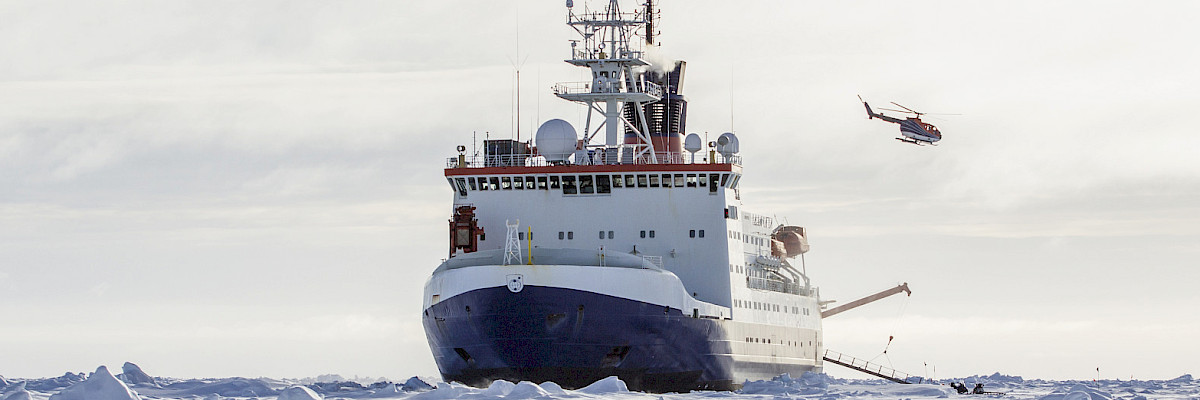
As the maritime world sets its sights on Arctic and Antarctic trade corridors, polar navigation certification becomes not just a regulatory requirement but a professional necessity. It enables seafarers to navigate some of the planet’s most treacherous waters safely. At Skillsstation, the Best merchant navy coaching institute, candidates receive end-to-end guidance and hands-on training for polar operations. With Skillsstation’s expert mentorship, you can confidently achieve your polar navigation certification and sail toward a future of opportunity, excellence, and exploration.
 Chat with us