
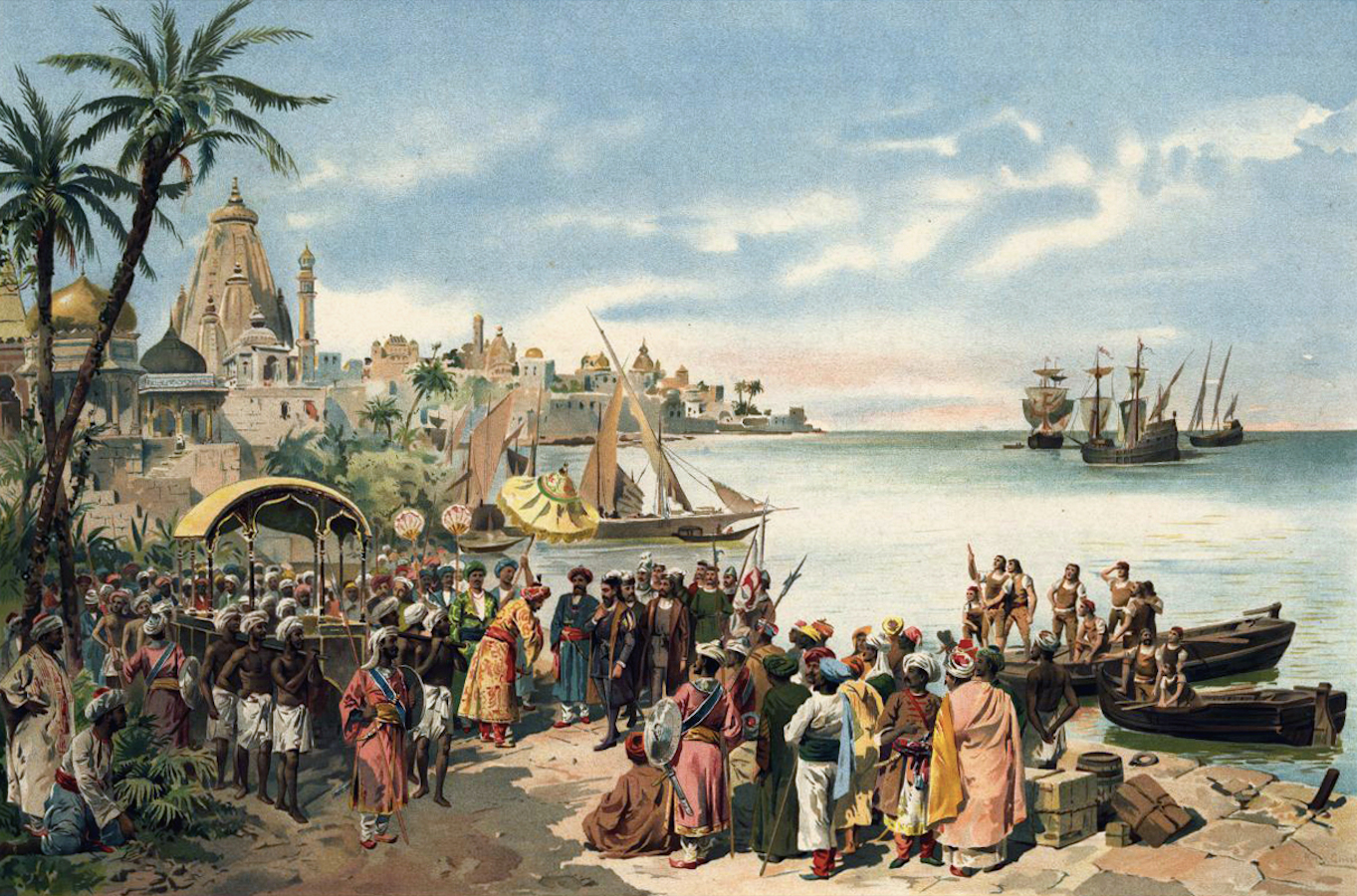
Indian maritime history is not just a tale of ships and seas—it is a chronicle of innovation, diplomacy, and global trade that has influenced civilizations across continents. From the vibrant ports of the Indus Valley to today’s globally competitive merchant fleet, the story of the Indian maritime history is one of determination, excellence, and transformation.
India’s connection with the sea dates back more than 5,000 years, long before modern navigation instruments came into use. Maritime trade was integral to the nation’s economy, cultural exchange, and strategic power. At skillsstation, students don’t just learn how to navigate ships—they dive deep into the rich legacy of Indian maritime history, which inspires both pride and purpose.
The Ancient Era: Birthplace of Maritime Prowess
The earliest chapters of Indian maritime history unfold in the Harappan civilization, particularly in Lothal, one of the world’s first dockyards. Trade flourished with Mesopotamia, Egypt, and East Africa. Artifacts such as seals and pottery indicate an organized, seafaring trade network. Ships from India carried spices, gemstones, textiles, and ivory—establishing India as a global trade hub.
Vessels during this period were constructed with teakwood and navigated by observing stars and winds. The evolution of shipbuilding and navigation became the cornerstone of early Indian maritime history.
The Classical Age: Maritime Empire Builders
Between the 3rd and 13th centuries, powerful dynasties like the Cholas and Mauryas expanded India’s seaborne influence. The Cholas, in particular, developed formidable naval fleets and conducted successful overseas expeditions to Southeast Asia, including Sri Lanka and Indonesia.
These ships were not just tools of war but also instruments of diplomacy, enabling trade and cultural exchange. The classical period saw the integration of maritime laws, ports, and trade guilds—shaping the framework of Indian maritime history.
The Colonial Period: A Setback and a Revival
The arrival of European powers—Portuguese, Dutch, French, and especially the British—ushered in a new but complex chapter of Indian maritime history. The East India Company established control over ports and trade routes, and Indian maritime autonomy declined.
However, Indian sailors, known as “Lascars,” played a crucial role in global merchant shipping during British rule. Though often underpaid and overlooked, these seamen formed the backbone of colonial merchant fleets.
Ironically, this period also sowed the seeds for modern maritime education and naval engineering. Dockyards like Bombay (now Mumbai) became important centers, setting the stage for a national maritime revival.
Post-Independence Era: Building a Modern Merchant Navy
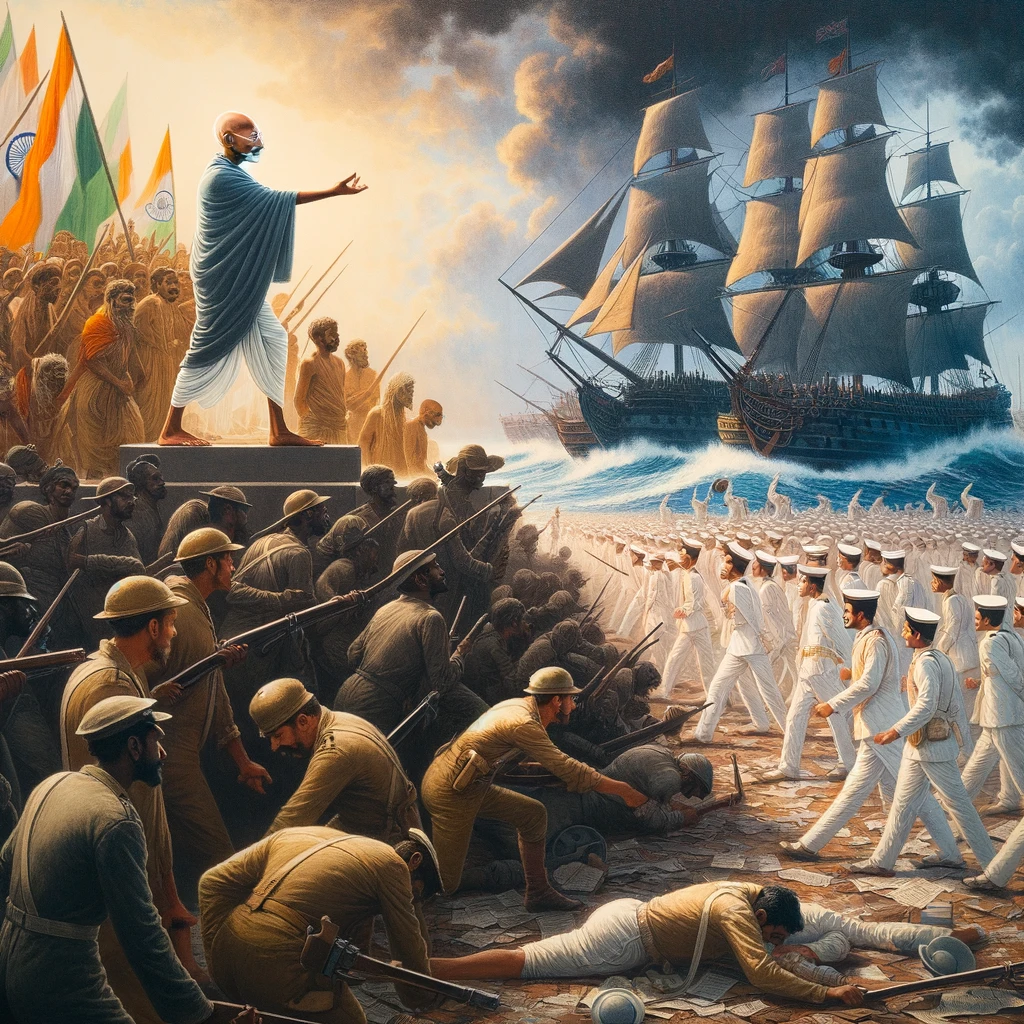
After independence in 1947, India made significant strides in reclaiming and redefining its maritime destiny. The establishment of the Shipping Corporation of India (SCI) in 1961 marked a turning point in modern Indian maritime history. SCI expanded India’s merchant fleet and established overseas trade links.
Maritime training institutions like TS Rajendra, LBS College of Advanced Maritime Studies, and IMU were founded to create a skilled pool of officers and ratings. Today, India ranks among the top providers of maritime manpower globally.
Modern Indian maritime history is now closely tied to global trade, offshore energy, and strategic defense roles. Indian seafarers are recognized worldwide for their discipline, technical knowledge, and work ethic.
Role of Education in the Maritime Evolution
A key element in the growth of Indian maritime history is the rise of professional maritime education. Courses like BSc Nautical Science, DNS, and GP Rating now prepare students not just for jobs—but for long-term careers.
At Skillsstation, a premier coaching hub, students are trained to not only crack IMU-CET but also to appreciate their cultural legacy as future merchant officers. The academy integrates Indian maritime history into its curriculum, reinforcing both technical and historical excellence.
Technological Advancements and Modernization
Today’s merchant navy is supported by cutting-edge technology—from ECDIS to satellite navigation, engine automation, and LNG tankers. But understanding traditional practices remains essential.
Indian ships now comply with IMO standards and participate in international conventions like SOLAS and MARPOL. The evolution of Indian maritime history into the digital age reflects India’s commitment to safe, green, and efficient shipping.
Key Institutions That Preserve Indian Maritime History
Maritime Heritage Complex, Lothal – Celebrates ancient maritime culture
National Maritime Museum, Mumbai – Houses naval and commercial artifacts
Indian Maritime University (IMU) – Core institution for modern maritime education
Shipping Corporation of India (SCI) – Flag bearer of modern Indian merchant shipping
These institutions serve as both archives and educators, preserving and pushing forward the saga of Indian maritime history.
Conclusion
From wooden boats navigating ancient rivers to state-of-the-art container vessels crossing oceans, the evolution of Indian maritime history is nothing short of remarkable. It is a journey marked by courage, innovation, and resilience. At Skillsstation, the Best merchant navy coaching institute Skillsstation, students learn to become a part of this legacy—equipped with modern tools and guided by historical wisdom. As India sails into the future, Skillsstation ensures its cadets are ready to write the next chapter of Indian maritime history.
 Chat with us