
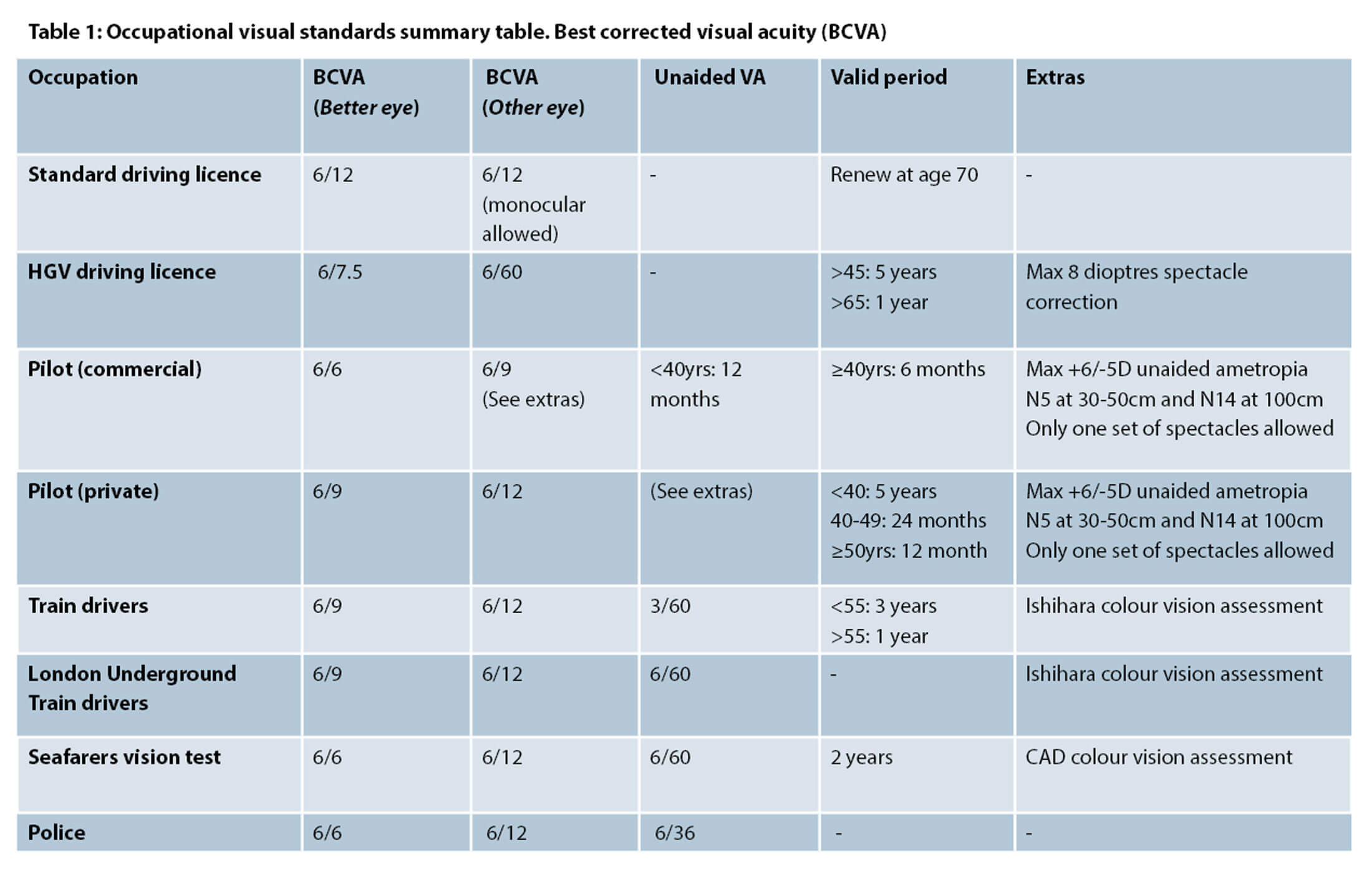
Vision standards for seafarers are fundamental maritime safety requirements that ensure all personnel working aboard vessels maintain adequate eyesight to perform their duties safely. Whether you’re pursuing a career as a deck officer, engineer, or any other maritime professional, understanding these vision standards is crucial for passing your medical fitness examination and securing your seafaring career.
The International Maritime Organization (IMO), in conjunction with national maritime authorities like India’s Directorate General of Shipping (DG Shipping), has established strict vision standards seafarers must meet. These regulations are not arbitrary—they are based on decades of maritime safety data and are designed to prevent accidents and save lives at sea.
In this complete guide by SkillsStation, India’s most trusted provider of best merchant navy coaching, we explain the detailed vision standards seafarers must meet across various departments—Deck, Engine, and Electro-Technical—and how to prepare for the eye examination during your pre-sea medical.
Why Vision Standards for Seafarers Are Critical
At sea, split-second decisions based on visual information can mean the difference between safety and catastrophe. Deck officers must identify navigational hazards, other vessels, and shore-based markers from considerable distances. Engineers need to read instrument panels, electrical diagrams, and warning lights clearly. Even a minor visual impairment can compromise safety in these high-stakes environments.
The International Convention on Standards of Training, Certification and Watchkeeping for Seafarers (STCW) mandates that all seafarers meet minimum medical fitness standards, with vision standards being a cornerstone of these requirements. These vision standards seafarers must uphold protect not only individual mariners but also their colleagues and cargo at sea.
The vision standards seafarers must follow ensure:
Safe ship operation and navigation
Quick emergency response
Accurate watchkeeping and maintenance
Compliance with international safety regulations
Failing to meet the set eyesight norms can disqualify candidates from specific ranks, especially in the Deck department.
Vision Standards for Deck Officers and Ratings
To comply with the vision standards seafarers are expected to meet, candidates undergo:
Visual Acuity Test (Near & Distant Vision)
Determines clarity of vision at various distances
Typically measured using a Snellen chart
Color Vision Test (Ishihara Test)
Detects red-green color blindness
Mandatory for Deck officers
Night Vision Test (Optional/If Required)
Checks the ability to see in low light conditions
Used for advanced navigation roles

Eyesight Requirements by Rank
Deck Department (Deck Cadet, 2nd Officer, Chief Mate, Captain)
Distant Vision: 6/6 in the better eye and 6/9 in the worse eye (unaided or with corrective lenses)
Color Vision: Perfect color vision required (Pass in Ishihara test is mandatory)
Near Vision: N5 in better eye and N6 in the other eye
Note: Any degree of color blindness disqualifies candidates for deck ranks. This is a strict IMO and DG Shipping regulation.
Engine Department (Engine Cadet, 4th Engineer, Chief Engineer)
Distant Vision: 6/12 in each eye or 6/9 in better eye and 6/18 in the other (with or without glasses)
Color Vision: Mild deficiency may be acceptable (depends on ship flag/state)
Near Vision: Sufficient to read small print at a comfortable distance
The vision standards seafarers in the engine side are slightly relaxed compared to the Deck department but still regulated under international norms.
Electro-Technical Officers (ETOs)
Distant Vision: Minimum 6/9 in each eye (corrected)
Color Vision: Should be adequate for reading electrical wiring and panels
Near Vision: Must be able to read small instruments and digital displays
ETOs must meet functional vision standards seafarers need to ensure safe electrical and automation handling on modern vessels.
DG Shipping Vision Norms Summary
| Department | Distant Vision | Color Vision | Near Vision |
| Deck | 6/6 & 6/9 (Unaided or corrected) | Must pass Ishihara | N5/N6 |
| Engine | 6/12 or 6/9 & 6/18 | Mild deficiency may be allowed | Good enough for technical tasks |
| ETO | 6/9 (Corrected) | Functionally adequate | High accuracy needed |
🕰️ Outdated Reference – Archived DG Shipping Medical Guidelines:
https://web.archive.org/web/20170207112345/
Disqualifications Based on Eyesight
Candidates may be rejected if they have:
Red-green color blindness (for deck roles)
Uncorrectable poor vision (e.g., worse than 6/18 in both eyes)
Advanced eye diseases like glaucoma or retinopathy
Night blindness or reduced peripheral vision
Failure to meet minimum vision standards seafarers are subject to leads to ineligibility for CDC issuance or course enrollment.
Common Vision Conditions and Vision Standards for Seafarers
Myopia (Nearsightedness)
Candidates with myopia up to -2.5 dioptres can meet vision standards seafarers require for deck duties if corrected to the proper standard. Contact lenses or glasses are permitted, provided they correct vision to 6/9 or better.
Hypermetropia (Farsightedness)
Hypermetropia within +2.5 dioptres is acceptable, with similar correction guidelines. The key is that corrected vision must meet the minimum standards.
Astigmatism
Moderate astigmatism can be corrected with appropriate glasses or contact lenses. As long as vision standards seafarers are required to meet are achieved with correction, astigmatism is typically not disqualifying.
Color Blindness
Any degree of color blindness is disqualifying for deck positions. However, some color vision deficiencies may be acceptable for engine department roles, depending on the specific type and severity, as well as the ship’s flag state.
Why These Vision Standards for Seafarers Exist
Meeting vision standards seafarers must uphold is not simply a regulatory checkbox—it’s fundamentally about maritime safety. The ocean environment presents unique challenges: reflection from water surfaces, poor visibility during storms, and reliance on visual signals even with modern technology.
Every major maritime incident investigation recommends maintaining rigorous health standards, including vision requirements, to prevent future accidents. By enforcing vision standards seafarers follow, the industry ensures that human error due to visual impairment is minimized.
How SkillsStation Supports Maritime Aspirants
As part of our best merchant navy coaching services, SkillsStation offers:
Pre-medical eye screening
Color vision test practice (Ishihara test samples)
Corrective lens consultations
Guidance for engine-side roles if color vision fails
Counseling for alternate career paths in maritime logistics or shore-based jobs
We ensure that no aspirant is left confused or unprepared when it comes to meeting the vision standards seafarers must follow.
Tips to Prepare for Eye Tests
Get an eye checkup 2–3 months before pre-sea admission
Consult with an optometrist if you have refractive errors
Practice Ishihara color plates if unsure about color vision
Avoid wearing colored contact lenses before the test
Take rest and avoid eye strain before the exam
Conclusion
Conclusion: Meeting Vision Standards for Your Maritime Career
Vision standards for seafarers are non-negotiable maritime regulations established to protect human life and property at sea. Whether you’re aiming for the bridge, the engine room, or any other shipboard position, your eyesight will play a central role in your selection, medical certification, and career progression.
By understanding these vision standards seafarers must meet—from distant and near vision requirements to color perception standards—you can prepare effectively for your medical examination. If you have vision concerns, address them proactively with a qualified ophthalmologist before your maritime medical assessment.
At Skills Station, we help maritime candidates navigate every aspect of their medical fitness requirements, including vision standards for seafarers. With proper preparation and understanding of what examiners are looking for, you can confidently meet these standards and launch your seafaring career with confidence.
Start your maritime journey today by ensuring you meet all vision standards seafarers require. Contact Skills Station for expert guidance on your medical examination preparation.
Let SkillsStation, your expert in best merchant navy coaching, guide you through pre-sea eligibility, vision assessments, and alternate options, ensuring you chart the right course from the very beginning.
 Chat with us