
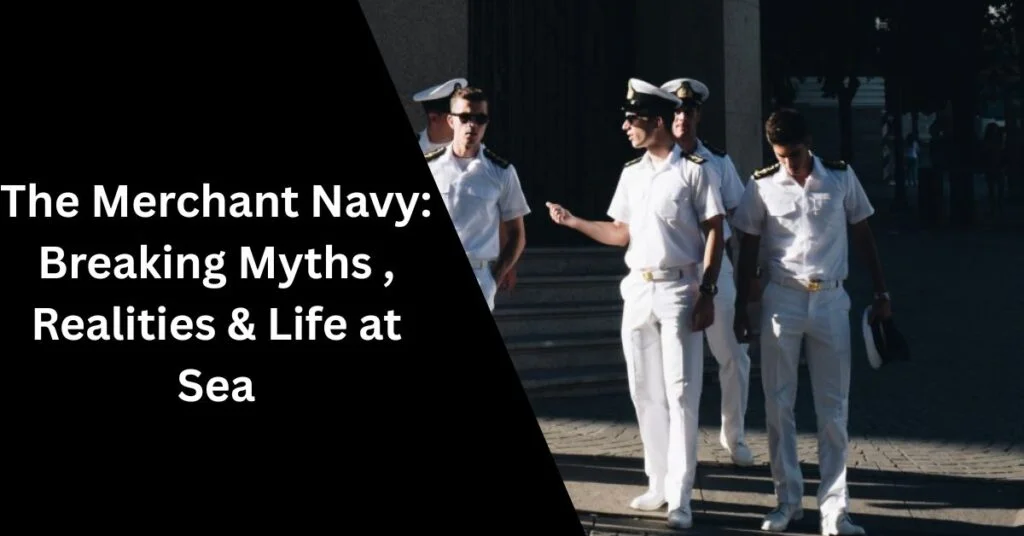
The merchant navy has long fascinated people with its adventurous aura and global lifestyle. However, not everything you hear about this profession is accurate. In fact, the world of seafaring is surrounded by many merchant navy myths that often mislead aspiring cadets and their families. These misconceptions can cloud your judgment and deter you from a fulfilling maritime career.
Understanding the reality behind these merchant navy myths is essential for anyone considering a life at sea. Whether you’re a student planning to join or a parent exploring career options for your child, separating facts from fiction will help you make an informed decision. Unfortunately, misleading information continues to circulate across social media and informal networks.
That’s where structured coaching and professional guidance make all the difference. At Skillsstation, we help aspiring cadets bust common merchant navy myths while preparing them for successful careers. Being the Best merchant navy coaching institute Skillsstation, we focus not just on exam success but also on cultivating awareness about life at sea.
Myth 1: The Merchant Navy Is the Same as the Indian Navy
One of the most widespread merchant navy myths is that it is part of the defense forces. This is far from the truth. The merchant navy is a commercial sector responsible for transporting goods and passengers via sea routes. Unlike the Indian Navy, which is a defense arm, the merchant navy is non-combatant and operates under different authorities.
Myth 2: Only Men Can Join the Merchant Navy
Gender bias is one of the persistent merchant navy myths. Many people still believe that the merchant navy is a “men-only” field. In reality, women are increasingly joining the industry as navigators, engineers, and even captains. Maritime institutions now promote equal opportunity and have policies to ensure safe and supportive environments for women.
Myth 3: It’s All About Traveling and Sightseeing
This is one of the most attractive yet misleading merchant navy myths. While seafarers do get to visit various countries, their time ashore is often limited. The work onboard is demanding, with strict schedules, watch duties, and operational responsibilities. Merchant navy life involves commitment and hard work, not just global tourism.
Myth 4: There’s No Career Growth
Many people assume that merchant navy jobs are static, with limited upward mobility. This is another one of those outdated merchant navy myths. On the contrary, the career ladder in the merchant navy is clearly defined—from cadet to captain or chief engineer. With experience, certification, and leadership skills, promotions are achievable and rewarding.
Myth 5: You Don’t Need to Be Highly Educated
One of the most damaging merchant navy myths is that academic qualifications don’t matter. This is entirely false. Most reputed shipping companies require candidates to clear entrance exams like IMU-CET and complete formal education in marine engineering or nautical science. Even short-term rating courses have eligibility criteria.
Myth 6: You Are Always at Sea
Another one of the common merchant navy myths is that seafarers never get to be home. The truth is that merchant navy officers work on a contractual basis. Depending on the role and company, contracts may range from 4 to 9 months, followed by leave periods of equal length. So yes, they do get to enjoy quality time at home.
Myth 7: The Pay Is Always Sky-High
It’s easy to fall for merchant navy myths that exaggerate the salary figures. While the pay is certainly attractive, it varies depending on rank, company, and type of vessel. Entry-level officers may earn moderately and can command higher salaries with experience and certifications. Unrealistic expectations can lead to disappointment.
Myth 8: Merchant Navy Jobs Are Not Safe
This is one of the fear-driven merchant navy myths. Today’s vessels are equipped with advanced safety, navigation, and communication systems. Seafarers are trained to handle emergencies, and international maritime laws strictly regulate onboard safety. As long as safety protocols are followed, the merchant navy remains a secure profession.
Myth 9: There’s No Social Life at Sea
It’s often believed that merchant navy officers are cut off from the world. This too is one of the outdated merchant navy myths. With internet access and onboard entertainment, communication with family and friends is easier than ever. Seafarers also form close bonds with crewmates, creating a unique sense of camaraderie.
Myth 10: It’s Easy to Get Into the Merchant Navy
One of the biggest merchant navy myths is that anyone can join easily. In reality, the process is highly competitive. Aspirants must clear medical tests, entrance exams, and interviews. Institutions like Skillsstation—the Best merchant navy coaching institute Skillsstation—play a crucial role in helping students prepare effectively and stand out from the crowd.
The Importance of Busting Merchant Navy Myths
Believing in merchant navy myths can lead to poor career choices or unrealistic expectations. Aspiring seafarers must consult experts, research thoroughly, and consider facts before committing to this career. Institutes like Skillsstation not only prepare students academically but also provide clarity on what merchant navy life truly entails.
Understanding the realities of ship life, work conditions, growth opportunities, and emotional resilience is critical for long-term success. The merchant navy is a rewarding profession for those who are well-informed and adequately prepared.

Conclusion
The maritime industry holds immense potential for those who approach it with the right mindset. However, the abundance of misinformation can derail even the most passionate aspirants. Dispelling common merchant navy myths is the first step toward making a confident and informed career choice. With proper guidance from the Best merchant navy coaching institute Skillsstation, students can distinguish facts from fiction and prepare holistically for the merchant navy journey. Let Skillsstation be your trusted partner in navigating not just the sea—but the truth behind the myths as well.
 Chat with us